
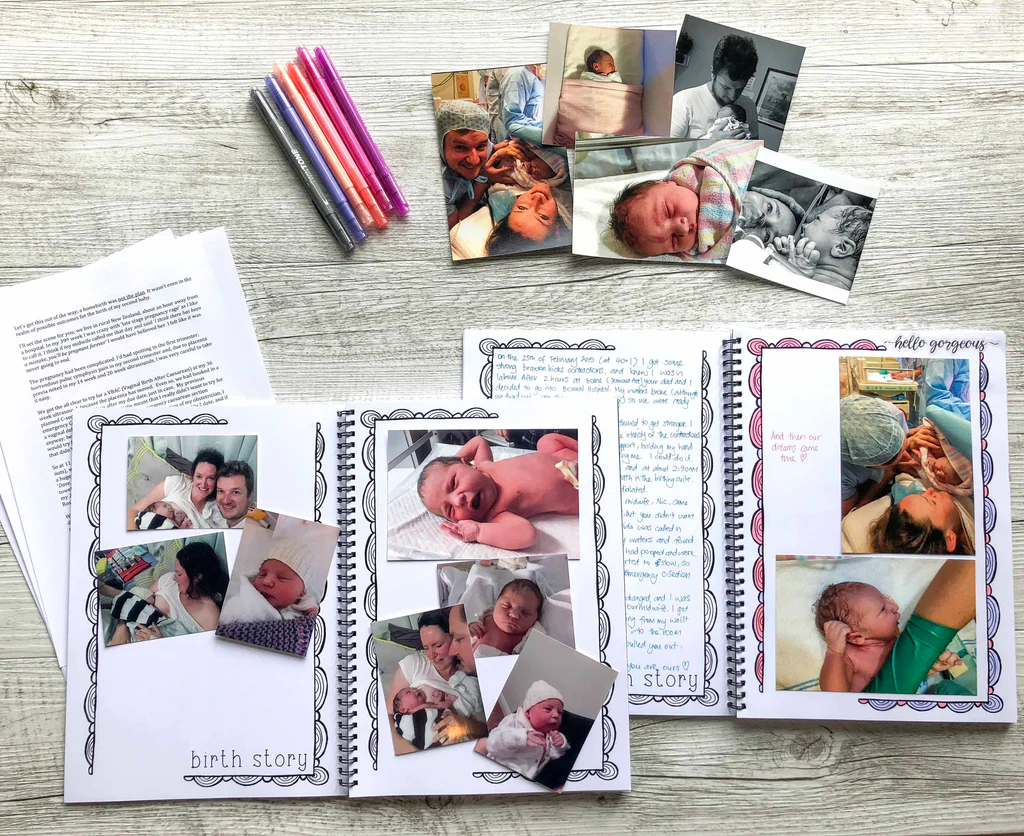
Writing your birth story is often something people think about long before they actually sit down to do it. Birth is one of the most anticipated and emotionally charged moments of life, yet when it’s over, the experience can feel both vivid and strangely difficult to put into words. Many parents feel a pull to remember, reflect, and make sense of what happened — even if they’re unsure where to begin.
No matter how much preparation went into pregnancy and birth, there are always elements that unfold in unexpected ways. Writing your birth story offers a chance to slow down, honour your experience, and process both what you anticipated and what surprised you along the way.
Why Birth Stories Matter
Every birth story is unique, and more importantly, every birth story is deeply personal. Two people can experience the same labour and come away with entirely different memories, emotions, and interpretations.
Birth stories matter because they aren’t just about medical events or timelines. They are about how you felt, what you feared, what gave you strength, and how each moment unfolded from your perspective. Even when a birth doesn’t go as planned, there is meaning in the experience and value in giving it a voice.
During labour and birth, time often loses its usual shape. You move from moment to moment, focused on getting through each wave and meeting your baby. Writing afterward allows you to step back, notice emotions that may not have surfaced before, and gently make sense of what you lived through. Many parents are surprised by how much clarity emerges once they begin to write.
Find a Safe Person to Process With
Before putting pen to paper, it can help to talk through your birth story with one safe, supportive person. This might be a partner, close friend, family member, or someone who understands birth but is able to listen without judgment or advice.
Even if someone was present at the birth, their experience was different from yours. Talking through your story allows your own voice to take centre stage, without needing to consider how others remember it or felt about it.
Sharing your story verbally first can also release some of the emotional intensity, making it easier to write later. Many parents find that once their story has been heard with compassion, they feel more grounded and ready to reflect more deeply.
Writing Your Birth Story: When to Begin
There is no perfect time to begin writing your birth story, but timing can make a difference in how supported the process feels. The early weeks after birth are often filled with exhaustion, healing, and bonding. For many parents, this is not the ideal moment to reflect deeply.
Waiting several weeks — or even longer — can give you space to recover physically and emotionally. Over time, many parents notice a natural shift where they begin thinking about their birth again, replaying moments or wondering why certain parts feel especially strong. This can be a gentle sign that you’re ready to begin.
It’s important to remember that writing your story doesn’t have to happen all at once. You can write in small pieces, pause when needed, and return later. There are no deadlines and no rules — the process moves at your pace.
Writing Your Birth Story: How to Begin
You don’t need to be a skilled writer or have a perfect memory to write your birth story. This story is first and foremost for you, not for an audience.
Journaling is often the easiest place to start. Writing by hand or typing freely allows thoughts and memories to surface naturally. Research shows that journaling can support emotional healing, which is especially meaningful during the postpartum period.
Many parents find it helpful to walk through their birth chronologically, writing down whatever stands out rather than trying to capture everything. If you had a doula, midwife, or birth partner who took notes or remembers details, their recollections can also help fill in gaps.
If your birth was traumatic, it’s completely valid to take more time before writing. Some experiences need distance before they can be revisited safely. When you’re ready, looking at medical notes or timelines can help piece together what happened, but only if it feels supportive to do so.
Support for Processing Your Birth Story
Sometimes, writing or talking about your birth brings up emotions you didn’t expect. You may notice yourself feeling stuck on a particular moment, replaying the same thought, or experiencing strong emotional reactions.
This can be a gentle signal that additional support might be helpful. Many parents find that talking with a midwife, birth worker, or therapist provides space to explore these feelings safely. Being witnessed and validated can help integrate the experience rather than leaving it unresolved.
If you’re experiencing ongoing distress, anxiety, or symptoms of postpartum depression or trauma, reaching out for professional support is an important step. Processing your birth story isn’t about reliving pain — it’s about creating understanding and healing.
Birth Story Prompts to Get You Started
A blank page can feel intimidating, especially when the experience feels so big. Gentle prompts can help guide your thoughts and make the process feel more approachable.
Birth stories aren’t meant to be polished or perfect. They are honest reflections, written without judgment. You can always refine later if you choose to share, but the first version is simply about expression.
Beginning at the Beginning
When did you first realise labour was starting?
Where were you, and who was with you at that moment?
How did you feel emotionally and physically?
Did labour begin in the way you expected, or did it surprise you?
What thoughts came up as you waited for labour to progress?
Were you before or after your due date, and how did that affect you?
Setting the Scene
What was the day like when labour began?
Do you remember anything specific about the environment, weather, or time of day?
Who supported you during labour, and how did their presence help you?
Were there moments of calm, laughter, fear, or quiet strength that stand out now?
The Work of Labor
What felt most challenging during labour?
How did you cope with contractions or intensity?
Were there movements, words, or practices that grounded you?
What surprised you most about labour itself?
When it was time to push, how did that moment feel compared to your expectations?
Meeting Your Baby
Describe the first moment you met your baby.
What did you notice first — their face, their cry, the way you felt?
How did your body and emotions respond in those early moments together?
Recovery and Postpartum
In the days following birth, how did you feel physically and emotionally?
What was more challenging than you expected?
What moments felt unexpectedly beautiful or meaningful?
Looking back now, what parts of your birth story stand out most clearly?
Your Birth Story Deserves to Be Told
Your birth story matters — exactly as it is. No one else can tell it the way you can, and no one else’s words can capture your experience.
Whether your birth unfolded as planned or took unexpected turns, writing your story is a way of honouring what you went through. It allows you to recognise your strength, process your emotions, and create meaning from one of life’s most transformative experiences.
Taking the time to write your birth story — even if you never share it — is a gift to your own healing. Your experience deserves to be remembered, respected, and held with care.
Leave a Reply