
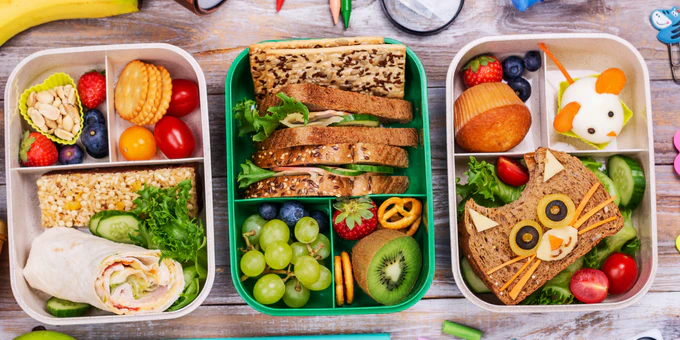
Packing a child’s lunchbox is a daily responsibility for many parents, and finding the right balance between nutrition, taste, and school rules can feel challenging. Lunchbox treats are often expected by children as a small highlight of the school day, yet parents are increasingly aware of the need to limit sugar, avoid unnecessary additives, and comply with UK school-friendly guidelines. Healthy lunchbox treats do not have to be boring or overly restrictive. With thoughtful choices and simple preparation, it is possible to include treats that feel special to children while still supporting their health, energy levels, and concentration throughout the school day.
Understanding What Makes a Lunchbox Treat UK School-Friendly
UK schools often have clear policies around packed lunches, particularly regarding sugar levels, allergens, and ultra-processed foods. While rules may vary by school, there is a general emphasis on balanced nutrition, moderation, and inclusivity. School-friendly treats are typically those that are easy to eat, not overly messy, and safe for shared environments. Avoiding excessive sugar helps reduce energy crashes during lessons, while allergen awareness supports the wellbeing of all pupils. Understanding these expectations helps parents make confident, appropriate choices.
Balancing Treats With Overall Nutrition
A lunchbox treat should complement the main meal rather than overpower it. When treats are lower in sugar and made with wholesome ingredients, they can fit naturally into a balanced lunch. The goal is not to remove enjoyment but to redefine what a treat looks like, focusing on flavour, texture, and satisfaction rather than sweetness alone. This mindset helps children develop healthier relationships with food over time.
Why Reducing Sugar in Lunchbox Treats Matters
Excessive sugar intake in children is linked to energy spikes followed by fatigue, making it harder for them to focus in class. Many shop-bought snacks marketed to children contain hidden sugars, even when they appear healthy. Choosing treats with reduced sugar supports steady energy levels and helps protect dental health. Lower-sugar options also encourage children to appreciate natural flavours rather than relying on intense sweetness.
Helping Children Adjust to Less Sugary Options
Children’s taste preferences can adapt quickly when offered consistent alternatives. Introducing lower-sugar treats gradually and presenting them positively helps avoid resistance. When children enjoy these foods regularly, they often stop associating treats solely with high sugar, making healthier choices feel normal rather than forced.
Homemade Lunchbox Treats as a Healthier Option
Homemade treats give parents full control over ingredients, portion sizes, and sugar content. Simple baking or no-bake recipes can be prepared in advance and stored for the week, making mornings less stressful. Homemade options also allow parents to adapt recipes to meet specific school requirements, such as nut-free or dairy-free guidelines.
Making Time for Simple Preparation
Homemade does not need to mean time-consuming. Many lunchbox treats can be made in under an hour and last several days. Preparing treats at the weekend or involving children in the process turns food preparation into a positive family activity and increases the likelihood that children will enjoy what they helped make.
Healthy Baked Treats Suitable for School Lunchboxes
Baked goods remain popular lunchbox treats, but traditional recipes often contain high levels of sugar and refined flour. Healthier versions focus on using fruit for natural sweetness, whole grains for fibre, and modest portions. Muffins made with mashed banana or apple puree, oat-based flapjacks with reduced syrup, and soft breakfast bars can all work well in a school setting.
Keeping Bakes Moist Without Excess Sugar
One of the challenges of reducing sugar is maintaining texture. Ingredients such as yoghurt alternatives, grated fruit, and healthy fats help keep baked treats soft and enjoyable. These adjustments allow treats to remain appealing while supporting better nutrition.
No-Bake Lunchbox Treat Ideas
No-bake treats are particularly practical for busy households. These options often rely on simple mixing rather than cooking and can be portioned easily. Oat-based energy bites made without added sugars, chilled yoghurt alternatives with fruit, or homemade cereal bars using low-sugar ingredients are all suitable for UK school lunchboxes when allergen-safe.
Portion Control and Practicality
No-bake treats are easy to shape into small portions, which helps manage calorie and sugar intake. Individually sized portions also make lunchboxes easier for children to handle during short breaks, supporting independence and reducing food waste.
Fruit-Based Treats That Feel Special
Fruit is naturally sweet and widely accepted in schools, but children can sometimes view plain fruit as boring. Presenting fruit in creative ways transforms it into a treat rather than a chore. Sliced fruit paired with a small pot of yoghurt alternative, fruit skewers, or baked fruit slices offer variety while keeping sugar levels reasonable.
Encouraging Variety Through Seasonal Choices
Using seasonal fruit keeps lunchboxes interesting and supports better flavour. Seasonal options are often more affordable and appealing, helping parents rotate treats throughout the year without repetition.
Savoury Treats as a Low-Sugar Alternative
Not all lunchbox treats need to be sweet. Savoury options can be just as satisfying and often contain less sugar naturally. Mini wraps, savoury muffins, or crackers paired with spreads provide balance and variety. These treats are especially helpful for children who prefer savoury flavours or experience energy dips after sweet snacks.
Supporting Sustained Energy at School
Savoury treats that include protein or healthy fats help children feel fuller for longer. This steady energy release supports concentration and reduces the urge for sugary snacks later in the day.
Shop-Bought Lunchbox Treats That Fit UK Guidelines
While homemade treats are ideal, shop-bought options are sometimes necessary. Many UK supermarkets now offer lower-sugar, school-friendly snacks designed for lunchboxes. Reading labels carefully helps parents identify products with reduced sugar and simple ingredient lists. Choosing these options occasionally provides convenience without compromising standards.
Teaching Children About Smart Snack Choices
Including children in the process of choosing shop-bought treats helps them learn how to read labels and understand nutrition. This education empowers them to make better choices as they grow older and encounter food decisions independently.
Managing Allergies and School Restrictions
UK schools often enforce nut-free or allergen-aware policies. Lunchbox treats should always comply with these rules to ensure safety for all pupils. Choosing clearly labelled products or preparing treats at home using safe ingredients reduces risk and anxiety. Allergy-friendly treats can still be varied, enjoyable, and nutritious.
Creating Inclusive Lunchboxes
When children bring treats similar to those of their peers, they feel more included. Allergy-friendly and lower-sugar options that look appealing help children avoid feeling different or restricted, supporting emotional wellbeing alongside physical health.
Helping Children See Healthy Treats as Enjoyable
Children’s attitudes towards food are shaped by language and presentation. Referring to lunchbox treats as enjoyable snacks rather than “healthy alternatives” helps remove negative associations. Positive reinforcement and consistency encourage children to accept and enjoy these foods over time.
Building a Balanced Weekly Lunchbox Routine
Variety is key to keeping lunchboxes interesting and nutritionally balanced. Rotating treat options across the week prevents boredom and ensures children receive a range of nutrients. Planning ahead allows parents to prepare or purchase suitable treats without daily decision fatigue.
Reducing Stress Through Preparation
Having a small selection of go-to lunchbox treats simplifies mornings. When parents know they have reliable, school-friendly options available, packing lunches becomes quicker and calmer, benefiting the whole household.
Long-Term Benefits of Healthier Lunchbox Treats
Choosing lunchbox treats that are not too sugary supports long-term health habits. Children learn that treats can be enjoyable without being excessive, shaping their preferences well beyond the school years. These habits contribute to better energy regulation, dental health, and overall wellbeing.
Creating Positive Lunchbox Habits for UK Families
Lunchbox treat ideas that are healthy, low in sugar, and UK school-friendly help parents meet both nutritional goals and practical school requirements. By focusing on balance, moderation, and enjoyment, families can pack lunchboxes that children look forward to opening each day. With thoughtful planning and realistic choices, lunchbox treats become a positive part of a child’s school routine, supporting health, happiness, and confidence in equal measure.
Leave a Reply