
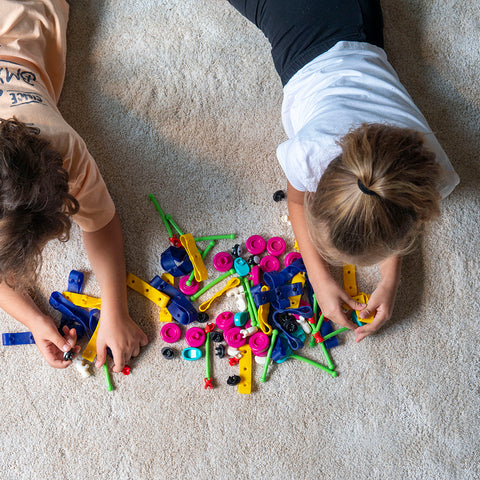
Rainy days are a familiar part of life in the UK, especially when you have a toddler bursting with energy and curiosity. While the sound of rain against the windows can feel cosy at times, being stuck indoors with a young child can also feel long, loud, and overwhelming. Many parents go into these days with good intentions, only to find themselves wondering how to fill the hours in a way that feels meaningful rather than simply exhausting.
Toddlers are learning constantly through movement, exploration, repetition, and play. They don’t need elaborate setups or constant entertainment, but they do benefit from variety, connection, and opportunities to use their bodies and imaginations. Rainy days can actually offer something special: a slower rhythm, fewer outside distractions, and the chance to turn everyday moments into shared experiences.
This guide brings together practical, realistic, and creative indoor activity ideas that work well for British homes and British weather. The aim isn’t to plan a perfect day, but to help you feel supported, inspired, and reassured as you move through indoor days with your toddler.
Why Rainy Days Can Feel Especially Challenging with Toddlers
Toddlers are wired to move. Running, climbing, jumping, and exploring the world through their bodies is how they learn and regulate their emotions. When the weather keeps them inside, that natural outlet can suddenly feel restricted.
Many parents notice more frustration, clinginess, or big emotions on rainy days. This isn’t because toddlers are misbehaving, but because their sensory and physical needs aren’t being met in the usual ways. At the same time, parents may be juggling work, household tasks, or simply feeling tired themselves, which can make indoor days feel heavier.
Understanding that rainy-day restlessness is developmentally normal can take some pressure off. Rather than trying to “fix” the day, it can help to focus on offering a few meaningful opportunities for movement, creativity, and connection.
Finding a Gentle Rhythm for Indoor Days
Just as toddlers thrive on routine outdoors, they benefit from a loose rhythm indoors too. This doesn’t mean scheduling every minute, but having a predictable flow to the day can help everyone feel more settled.
Many parents find it helpful to think in blocks: active play, quieter play, food, rest, and connection. For example, starting the morning with movement, then moving into a calmer activity before lunch, can prevent energy from building up in unhelpful ways.
A gentle rhythm also supports parents. Knowing that there’s a balance between active and quiet moments can reduce decision fatigue and help the day feel less endless.
Indoor Physical Play to Burn Energy
Movement doesn’t have to stop just because you’re inside. With a bit of creativity, toddlers can get much of the physical input they need without leaving the house.
Simple obstacle courses using cushions, pillows, chairs, and blankets are a favourite for many families. Crawling under tables, stepping over soft obstacles, and balancing along taped lines on the floor all help toddlers develop coordination and confidence.
Dancing is another easy option. Putting on familiar music and moving together allows toddlers to express themselves freely. Some parents like to add structure with action songs, while others enjoy letting their child lead.
Ball games using soft balls or rolled-up socks can also work well in smaller spaces. Throwing, rolling, and kicking help release energy while building motor skills.
Creative Play That Encourages Focus and Imagination
Creative activities offer toddlers a chance to slow down and concentrate, which can be especially helpful after high-energy play. These activities don’t need to be complicated or messy to be effective.
Drawing with crayons, chalk, or washable pens allows toddlers to experiment with marks and colours. Large sheets of paper taped to the floor or wall often work better than small notebooks, giving toddlers freedom to move their arms.
Sticker play is another calm yet engaging option. Peeling and placing stickers supports fine motor skills and can hold a toddler’s attention for longer than you might expect.
Simple role play, such as pretending to cook, shop, or care for toys, helps toddlers process everyday experiences. Using items you already have at home makes this kind of play accessible and familiar.
Sensory Activities Using Everyday Household Items
Sensory play can be particularly grounding on rainy days. It helps toddlers regulate their emotions while exploring textures, sounds, and movements.
Dry sensory play is often easier indoors. Bowls of rice, pasta, lentils, or oats can be poured, scooped, and transferred using cups or spoons. Sitting together during these activities helps ensure safety and creates a shared experience.
Water play doesn’t have to be limited to the bath. A shallow container with cups and toys on a kitchen mat can provide a soothing activity, especially in the afternoon when energy dips.
Playdough or homemade dough offers resistance and texture that many toddlers find calming. Rolling, squeezing, and shaping support both fine motor development and emotional regulation.
Involving Toddlers in Everyday Tasks
Rainy days can feel more manageable when everyday tasks become part of play rather than interruptions. Toddlers often enjoy being involved, especially when they feel their contribution matters.
Simple jobs like wiping surfaces, sorting laundry by colour, or stirring ingredients can become engaging activities when approached with patience. These moments also build independence and confidence.
Cooking together, even in small ways, can be particularly rewarding. Letting your toddler wash vegetables, mix batter, or sprinkle ingredients turns meal preparation into shared time rather than a separate chore.
These activities don’t just pass time; they help toddlers feel connected and valued.
Quiet Activities for Rest and Reset
Even the most energetic toddlers benefit from moments of calm during the day. Quiet activities help prevent overstimulation and support emotional balance.
Reading together is one of the simplest and most effective ways to slow down. Re-reading favourite books offers comfort and familiarity, while new stories spark curiosity.
Puzzles, simple matching games, or stacking toys can hold a toddler’s attention without requiring constant adult input. Sitting nearby rather than directing the play allows your child to focus independently while still feeling supported.
Listening to gentle music or audiobooks can also create a soothing atmosphere, especially during transitions like before nap time.
How Screen Time Fits into Rainy Days
Many parents worry about screen time, particularly on days when outdoor play isn’t an option. While balance is important, rainy days are a time when screens can be used thoughtfully rather than avoided entirely.
Short, intentional screen use, such as watching a favourite programme together or following a toddler-friendly movement video, can provide connection rather than isolation.
The key is how screens are used. Watching together, talking about what you see, and using screens as one part of the day rather than the whole day helps maintain a healthy relationship with technology.
Managing Big Feelings on Long Indoor Days
Rainy days can bring up big feelings for both toddlers and parents. Toddlers may struggle to express boredom or frustration, while parents may feel touched-out or depleted.
Acknowledging emotions rather than trying to distract from them can be surprisingly effective. Simple phrases like “It’s hard being inside today” help toddlers feel understood.
Offering comfort, connection, and reassurance often reduces challenging behaviour more effectively than adding more activities. Sometimes what’s needed most is a cuddle, a quiet moment, or shared laughter.
Support for Parents During Indoor Stretches
Caring for a toddler indoors day after day can be demanding. It’s important to remember that you don’t need to be endlessly creative or cheerful to be a good parent.
Lowering expectations around productivity, mess, and structure can make a big difference. Some days will flow easily, others won’t, and that’s normal.
Reaching out to other parents, even just to share how the day is going, can help reduce feelings of isolation. Many parents find comfort in knowing others are navigating the same challenges.
Activity Prompts to Get You Started
When the rain is falling and inspiration feels low, having a few simple prompts can help you begin without overthinking.
Starting with Movement
Set up a small obstacle course using cushions and blankets.
Put on music and dance together in the living room.
Roll or throw soft balls back and forth down a hallway.
Creative and Calm Play
Offer crayons and large paper for free drawing.
Create a sticker scene on paper or cardboard.
Build towers with blocks and knock them down together.
Sensory Exploration
Fill a bowl with dry pasta and cups for pouring.
Make simple playdough and explore shapes.
Set up water play with cups and floating toys.
Everyday Involvement
Let your toddler help prepare lunch.
Sort laundry together by colour or size.
Wipe surfaces with a damp cloth side by side.
Quiet Reset Moments
Read favourite books together.
Do a simple puzzle or matching game.
Sit together and listen to calm music.
Rainy Days Are Part of the Story
Rainy British days are inevitable, but they don’t have to be something to endure. With gentle planning, realistic expectations, and a focus on connection, indoor days can hold just as much value as outdoor adventures.
Toddlers don’t need perfect activities or constant stimulation. They need presence, patience, and opportunities to explore the world in ways that feel safe and supported.
Whether the day feels creative, chaotic, calm, or a mix of everything, it all counts. These quiet, rainy-day moments become part of your family’s shared story, even if they don’t feel remarkable at the time.
Leave a Reply