
Raising children comes with constant change. Clothes are outgrown almost overnight. Toys that were once beloved suddenly sit untouched. As parents, it can feel like we’re always buying, always replacing, always trying to keep up. Over time, this cycle can become exhausting — financially, emotionally, and environmentally.
Shopping second-hand for children’s clothes and toys offers a gentler alternative. It slows things down. It invites intention. And for many families in the UK, it becomes not just a way to save money, but a way to shop with more care and confidence.
Second-hand shopping isn’t about settling for less. It’s about choosing thoughtfully, discovering hidden value, and recognising that what your child needs most isn’t brand-new — it’s comfortable, safe, and loved.
This guide walks through why second-hand shopping matters, how to approach it with ease, and how to make the most of charity shops and thrift stores for your family.
Why Second-Hand Shopping Matters for Families
Children grow quickly, and so do their needs. Buying everything new can feel like pouring money into something temporary. Second-hand shopping helps families step out of that pressure.
Financially, the benefits are clear. Gently used clothes and toys often cost a fraction of their original price. This makes room in the budget for essentials, savings, or experiences that matter more in the long run.
Emotionally, second-hand shopping can feel freeing. There’s less anxiety about stains, spills, or wear. Clothes become tools for play, not items to protect. Toys are enjoyed more fully when parents don’t feel the weight of what they cost.
There’s also a quiet environmental impact. Reusing items reduces waste and extends the life of things already made. For many parents, this aligns with a desire to raise children who are mindful of consumption without making it a heavy lesson.
Second-hand shopping supports a slower, more thoughtful rhythm — one that fits naturally into family life.
Every Family’s Approach Will Look Different
Some families rely heavily on second-hand shopping. Others use it to fill gaps between new purchases. There’s no single right way to do it.
Your approach might depend on your child’s age, your local area, or how much time you have. Some parents love browsing charity shops on a weekend. Others prefer online platforms that save time.
It’s also okay to mix second-hand and new items. School uniforms, coats, or shoes might need to be bought new at times. The goal isn’t perfection — it’s intention.
Second-hand shopping works best when it fits your life, not when it becomes another standard to meet.
Finding Confidence in Charity Shops and Thrift Stores
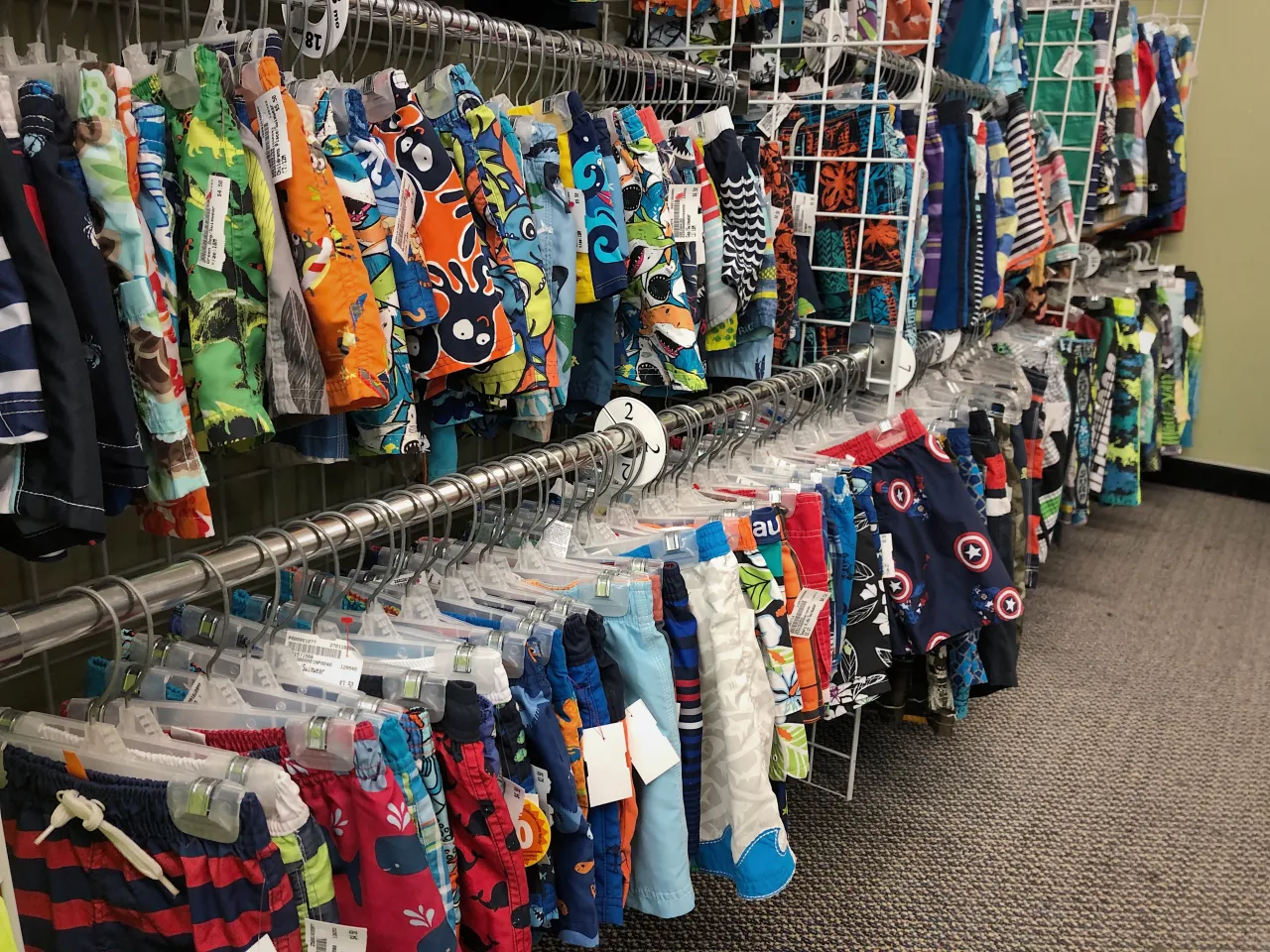
Walking into a charity shop for the first time can feel unfamiliar. Racks may be crowded. Items aren’t sorted by size as neatly as in high-street stores. It’s easy to feel overwhelmed.
Start small. Visit one shop. Give yourself permission to browse without buying anything. Over time, you’ll learn which shops suit your taste, your budget, and your children’s needs.
In the UK, charity shops vary widely. Some specialise in children’s items, while others carry a mix. Local shops often reflect the surrounding community, which can mean excellent quality at very low prices.
Go in with curiosity rather than expectation. Second-hand shopping is as much about discovery as it is about purchasing.
When to Shop Second-Hand for Children
Timing matters when shopping second-hand, especially for kids.
Seasonal changes are ideal moments. Shopping for winter coats at the end of winter or summer clothes in early autumn often leads to better selection and lower prices.
Growth spurts are another key moment. If you know your child is about to outgrow a size, checking charity shops first can save money during that transition.
School transitions — starting nursery, primary school, or secondary school — are also good times to explore second-hand options, especially for uniforms and play clothes.
Shopping second-hand doesn’t have to replace regular shopping trips. It can simply become the first place you check.
How to Shop Second-Hand with Ease and Purpose
A little preparation can make second-hand shopping much easier.
Before you go, think about what your child actually needs. Sizes, seasons, and specific gaps in their wardrobe or toy collection. This helps you avoid impulse buys that don’t serve your family.
Check items carefully. Look for stains, loose seams, broken parts, or missing pieces. Most charity shops welcome a quick inspection and are honest about condition.
For clothes, feel the fabric. Soft, well-washed cotton often holds up beautifully. For toys, ensure they’re cleanable and age-appropriate.
If something feels uncertain, it’s okay to leave it behind. Second-hand shopping rewards patience. There will always be another find.
The Emotional Side of Second-Hand Shopping
For some parents, shopping second-hand brings up unexpected emotions. There may be worries about judgment, fears of not providing “enough,” or comparisons with others.
These feelings deserve kindness. Choosing second-hand is not a reflection of ability or success — it’s a thoughtful decision rooted in care.
Children rarely attach value to whether something is new or used. They care about comfort, colour, play, and how something makes them feel.
Over time, many families notice that second-hand shopping reduces pressure. There’s less comparison, less chasing trends, and more focus on what works.
Letting go of the need for everything to be new can be quietly empowering.
Support for Making Second-Hand Shopping a Habit
Like any habit, second-hand shopping becomes easier with practice.
Some families create routines, such as checking charity shops once a month or before each new season. Others build lists and keep them on their phone to guide quick visits.
Online second-hand platforms can also be helpful, especially for busy parents. Many UK-based sites and apps allow filtering by size, condition, and location, making the process more efficient.
Sharing with friends and family can be another form of support. Hand-me-downs, swaps, and local parent groups extend the benefits of second-hand shopping beyond the shop itself.
Second-Hand Shopping Prompts to Get You Started
If you’re unsure where to begin, reflection can help turn intention into action.
These prompts are gentle starting points, not rules.
Beginning with Your Child’s Needs
● What does my child actually need right now?
● Which items are outgrown fastest?
● Where do we spend the most on replacements?
● What could be bought second-hand without any downside?
Exploring Clothes Second-Hand
● Which clothes are for play rather than special occasions?
● What fabrics hold up well over time?
● How much would I save by buying these items used?
● How would it feel to worry less about wear and tear?
Choosing Toys Thoughtfully
● Which toys truly engage my child?
● Which toys are used only briefly?
● Could second-hand toys meet the same need?
● How much clutter could we avoid by choosing carefully?
Building Confidence as a Parent
● What fears come up around second-hand shopping?
● Where did those beliefs come from?
● What values do I want my child to learn about money and care?
● How does this choice support our family long-term?
Creating Sustainable Habits
● When can I realistically shop second-hand?
● Which local shops feel welcoming and manageable?
● How can I involve my child in choosing items?
● What small step can I take this month?
A Thoughtful Way Forward for Families
Shopping second-hand for children’s clothes and toys isn’t about compromise. It’s about intention. It’s about recognising that children need freedom to grow, play, and change — and that families deserve choices that support both their finances and their values.
Each item chosen second-hand carries a story, and when it enters your home, it becomes part of yours. These choices teach children that value isn’t defined by newness, but by usefulness, care, and thought.
Whether you buy one item or many, second-hand shopping offers a way to step off the fast-moving conveyor belt of constant consumption. It invites balance, awareness, and a little more ease into family life.
And for many UK families, that ease is worth far more than anything brand new.
Leave a Reply