
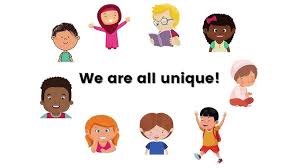
Raising children in the UK’s diverse cultural landscape offers both a privilege and a responsibility. Children are naturally curious about the world, noticing differences in skin color, language, religion, and traditions from a young age. How parents guide these observations can shape their understanding of fairness, empathy, and respect for others.
Conversations about diversity and inclusion are not just about avoiding bias—they are about equipping children to thrive in a multicultural society, build meaningful relationships, and develop a sense of justice. While these discussions can sometimes feel daunting, approaching them with warmth, reflection, and clarity fosters confidence, empathy, and curiosity in children.
Understanding when, why, and how to approach these conversations creates opportunities for deeper connection and learning that extend far beyond the classroom or playground.
Why Conversations About Diversity and Inclusion Matter
Every child benefits from understanding that the world is made up of many identities, perspectives, and experiences. Learning about diversity early promotes empathy, reduces prejudice, and strengthens emotional intelligence. Children who understand inclusion are more likely to be kind, thoughtful, and open-minded in their social interactions.
In the UK, children grow up in communities that reflect a range of ethnicities, languages, and cultural traditions. Without guidance, children may form misconceptions, rely on stereotypes, or feel unsure how to navigate differences. By engaging in thoughtful conversations, parents provide context, encourage questions, and model curiosity and respect.
Importantly, discussions about multiculturalism are not only about others—they also help children explore their own identities, heritage, and values. Feeling confident in their background while appreciating diversity empowers children to approach differences with curiosity instead of fear.
Finding a Safe and Open Space for Dialogue
Before diving into complex conversations, it helps to establish a safe space where children feel comfortable expressing questions, thoughts, or even uncertainties. Listening without judgment or rushing to provide answers builds trust and encourages honesty.
Support networks can also enhance these discussions. Teachers, community leaders, family members, and other parents can provide insights, experiences, and resources to help explain complex concepts in ways children understand. Exposure to different perspectives—through books, events, or friendships—reinforces lessons learned at home.
Creating routines around these conversations normalizes them. Short, thoughtful discussions over mealtime, while reading stories, or during daily activities keep learning continuous and approachable rather than overwhelming.
When to Begin Conversations About Diversity and Inclusion
Children begin noticing differences as early as toddlerhood, from skin color and language to cultural clothing or dietary habits. Early conversations should be simple, factual, and positive—highlighting that differences make the world interesting and vibrant.
As children grow, conversations can evolve in depth. Preschool and early school years are ideal for introducing ideas of fairness, empathy, and inclusion. By the time children are in primary school, discussions can include historical and societal context, helping them understand systemic inequalities while encouraging respectful curiosity.
Timing is flexible, and parents can adapt based on a child’s questions, maturity, and environment. Listening carefully to what children notice or ask ensures that discussions feel relevant, meaningful, and grounded in real experiences.
Practical Strategies for Nurturing Understanding
Helping children embrace diversity and inclusion requires thoughtful, consistent practice. One effective approach is storytelling. Books, films, and personal stories that represent different cultures, languages, abilities, and family structures broaden perspectives while fostering empathy.
Everyday interactions offer opportunities too. Encourage children to ask respectful questions, celebrate cultural festivals, or explore international foods and traditions. Exposure without pressure allows children to develop genuine curiosity and respect.
Role modeling is equally important. Children observe parents’ attitudes and behaviors—how they talk about differences, interact with people from other backgrounds, and respond to unfairness shapes children’s own values and behaviors.
Language matters. Using inclusive, positive language and correcting stereotypes gently helps children internalize respectful ways to describe people and communities. Praise open-mindedness, curiosity, and inclusive behavior to reinforce these values.
Processing Challenges and Finding Guidance
These conversations are not always easy. Children may ask difficult questions, encounter bias at school, or repeat language they’ve heard elsewhere. Parents may feel unsure how to respond or worry about saying the “wrong” thing. Acknowledging that discomfort is normal and seeking guidance can help.
Resources such as children’s literature on diversity, educational websites, and local cultural centers provide practical ways to explain complex concepts. Schools often offer workshops or materials to support discussions about inclusion. Connecting with other parents, especially in diverse communities, can offer strategies and reassurance.
Sometimes, professional support may be helpful, particularly if children encounter bullying, exclusion, or identity struggles. School counselors, psychologists, and community mentors can provide guidance to foster resilience and understanding.
Prompts to Guide Conversations with Children
A structured approach can help parents feel confident while keeping discussions age-appropriate and meaningful:
Beginning at the Beginning
- What questions does your child have about people who look, speak, or celebrate differently?
- How can you frame differences positively and respectfully?
- What values around kindness, fairness, and curiosity do you want to instill?
- Are there personal experiences or family stories that can illustrate inclusion?
Setting the Scene
- What real-life situations—playgrounds, school, media—can serve as conversation starters?
- Are there local events, festivals, or cultural activities that can deepen understanding?
- Who in your child’s community exemplifies inclusion and respect?
- How does your home environment reflect multicultural awareness and celebration?
The Work of Ongoing Learning
- How do you respond when children repeat stereotypes or unfair statements?
- What books, films, or activities can make learning about diversity engaging and relatable?
- How do you encourage empathy when children witness exclusion or injustice?
- Which routines—meal discussions, storytime, outings—reinforce inclusive thinking?
Meeting Your Child’s Needs
- How do you celebrate progress in understanding and practicing inclusion?
- What signs show that your child feels confident and respectful around differences?
- How do you balance guidance with allowing independent thought and curiosity?
- What conversations help children reflect on their own identity while appreciating others’?
Your Efforts Deserve Reflection and Consistency
Talking to children about diversity, inclusion, and multiculturalism is a gradual, lifelong process. Each child’s understanding develops at a unique pace, and every parent’s approach will differ. Patience, empathy, and consistency are key to creating a foundation of respect, curiosity, and open-mindedness.
By reflecting on values, creating intentional learning moments, and providing guidance rooted in warmth and understanding, parents equip children to navigate a complex world with empathy and confidence. These conversations nurture not only children’s social and emotional growth but also the relationships and communities they engage with every day.
Your commitment to teaching inclusion and celebrating diversity helps children develop a sense of belonging, fairness, and respect—skills that will guide them throughout life while enriching the wider community they are part of in the UK.
Leave a Reply