
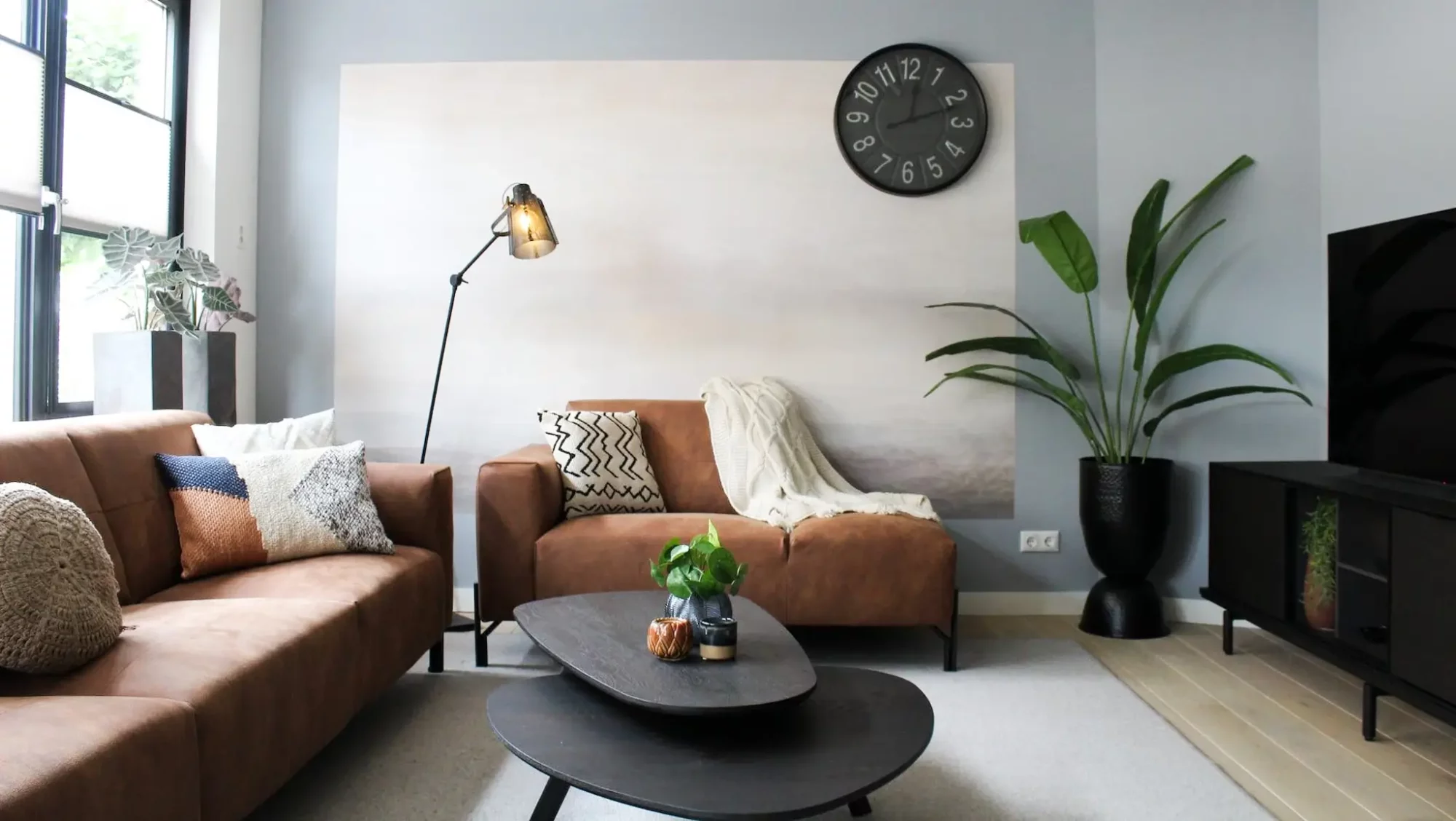
Decorating a home on a budget is often less about lack of taste and more about making thoughtful choices within real-life limits. For many UK mums, home décor happens in between school runs, work, caring responsibilities, and tight monthly budgets. The desire to create a warm, welcoming space is there — but so is the pressure to be sensible, practical, and realistic.
Budget-friendly home décor isn’t about cutting corners or settling for less. It’s about creativity, patience, and learning to see potential where others might not. When approached gently, decorating on a budget can become deeply satisfying, allowing homes to feel personal, lived-in, and full of quiet character.
Why Budget Decorating Feels So Personal
For parents, especially mums, the home carries emotional weight. It’s where children grow, routines form, and memories are built. Wanting that space to feel comforting and reflective of family life is natural.
Budget limitations can sometimes bring frustration or comparison, especially when scrolling through perfectly styled interiors online. But real homes are shaped by real lives. Decorating within your means often leads to more meaningful choices and a stronger connection to the space you’re creating.
A beautiful home isn’t defined by price tags — it’s defined by intention.
Reframing What ‘Good Décor’ Means
Before buying anything, it helps to shift how décor is viewed. Instead of focusing on trends or matching sets, budget-friendly decorating often centres on feeling.
Does a room feel calm? Does it feel warm? Does it support how your family actually lives?
When décor choices are guided by function and emotion rather than perfection, homes naturally feel more grounded. This mindset opens the door to second-hand finds, creative DIY, and slower, more thoughtful decisions.
Thrifting: Finding Character Without the Cost
Charity shops, car boot sales, and online marketplaces are rich with potential. In the UK, these spaces often hold solid furniture, unique décor pieces, and items built to last.
Thrifting takes patience, but it rewards curiosity. Learning to spot quality — solid wood, sturdy frames, timeless shapes — helps avoid impulse buys and builds confidence over time.
Many second-hand items simply need a clean, a small repair, or a fresh coat of paint to feel new again.
What to Look for When Thrifting
When browsing second-hand, focus on structure rather than surface. Scratches, faded finishes, or outdated colours are often easy to change. Weak joints, strong smells, or significant damage are harder to fix.
Décor items like mirrors, lamps, picture frames, baskets, and small tables are especially good thrift finds. These pieces add texture and warmth without overwhelming a space.
Allow yourself to leave empty-handed sometimes. Thrifting is about waiting for the right piece, not filling space quickly.
Second-Hand Doesn’t Mean Second-Best
There can be hesitation around using second-hand items, especially in family homes. But many older pieces are more durable than modern alternatives.
Children-friendly homes benefit from furniture that isn’t precious. Second-hand pieces allow for real life — spills, knocks, and everyday use — without constant worry.
Using pre-loved items also carries a sense of sustainability and care, values many families want to pass on.
DIY Décor: Small Projects With Big Impact
DIY doesn’t need to be complex or time-consuming. Simple projects can transform a space without requiring specialist skills or tools.
Painting is one of the most effective and affordable ways to refresh a room. A single feature wall, painted furniture, or refreshed skirting boards can change how a space feels.
Other easy DIY ideas include updating handles, creating simple wall art, or repurposing items you already own.
Involving Children in Simple DIY
DIY can also become a shared experience. Allowing children to help with age-appropriate tasks builds confidence and ownership.
This might mean choosing colours together, helping sand furniture, or creating artwork for the walls. These small moments add meaning to the finished space.
A home decorated with family involvement carries warmth that no shop-bought item can replicate.
Decorating Slowly and Intentionally
Budget decorating often happens over time — and that’s a strength, not a weakness. Decorating slowly allows spaces to evolve naturally.
Living in a room before fully decorating it helps reveal what’s actually needed. Impulse purchases often fade quickly, while considered choices tend to last.
Allowing a home to grow gradually reduces waste and builds deeper satisfaction with the end result.
Using What You Already Have
Before buying anything new or second-hand, take stock of what’s already in your home. Rearranging furniture, swapping items between rooms, or changing layouts can refresh spaces at no cost.
Sometimes, décor feels tired not because it’s wrong, but because it’s been static for too long. Small changes often make a bigger difference than expected.
This approach also helps reduce clutter and reconnects you with items you already value.
Textiles: Affordable Warmth and Comfort
Soft furnishings are one of the easiest ways to update a home on a budget. Cushions, throws, curtains, and rugs add texture and warmth without major expense.
Charity shops and online marketplaces often carry quality textiles at low prices. Washing or dyeing fabrics can refresh them further.
Neutral bases with a few seasonal changes keep spaces flexible and affordable throughout the year.
Creating Cohesion Without Matching Everything
Budget décor works best when it aims for cohesion rather than perfection. This might mean sticking to a loose colour palette or repeating textures across rooms.
Not everything needs to match. In fact, slightly mismatched pieces often create more character and comfort.
A home that feels collected over time usually feels more welcoming than one designed all at once.
Decluttering as a Decorating Tool
Decluttering is often overlooked as part of décor, but it plays a powerful role. Reducing visual noise allows chosen pieces to stand out.
Letting go of items that no longer serve your life creates space — physically and emotionally — for what matters now.
Decluttering doesn’t have to be extreme. Even small, regular edits can shift how a room feels.
Balancing Style With Real Family Life
Homes with children need to be practical. Budget-friendly décor naturally leans toward durability and ease, which supports everyday life.
Choosing washable fabrics, sturdy furniture, and flexible layouts allows spaces to function without constant maintenance.
A home that supports family life will always feel more beautiful than one that looks perfect but feels restrictive.
Gentle Reflections for Budget Decorating
Mindset Before Spending
What do I want this room to feel like?
Does this item support our real daily life?
Shopping With Intention
Would I still love this in six months?
Is this solving a problem or creating clutter?
Honouring Creativity
How could I adapt what I already have?
What small change would make the biggest difference?
Letting Go of Comparison
Whose expectations am I decorating for?
What feels right for my family?
Embracing Imperfection
Budget homes are often imperfect — and that’s part of their beauty. Scratches, mismatched items, and evolving spaces tell a story of life being lived.
Children remember warmth, not symmetry. They remember comfort, not trends.
Allowing your home to reflect real moments creates a sense of belonging that polished spaces sometimes lack.
A Home Built With Care, Not Cost
Decorating on a UK mum’s budget is not about limitation — it’s about resourcefulness, creativity, and heart. Thrifted finds, second-hand treasures, and simple DIY projects often carry more meaning than anything bought new.
When homes are shaped slowly and intentionally, they become deeply personal. Each piece has a story, each corner reflects care, and each room supports the life happening within it.
A beautiful home is not defined by how much is spent, but by how thoughtfully it is created. And on a tight budget, that thoughtfulness often shines the brightest.
Leave a Reply