
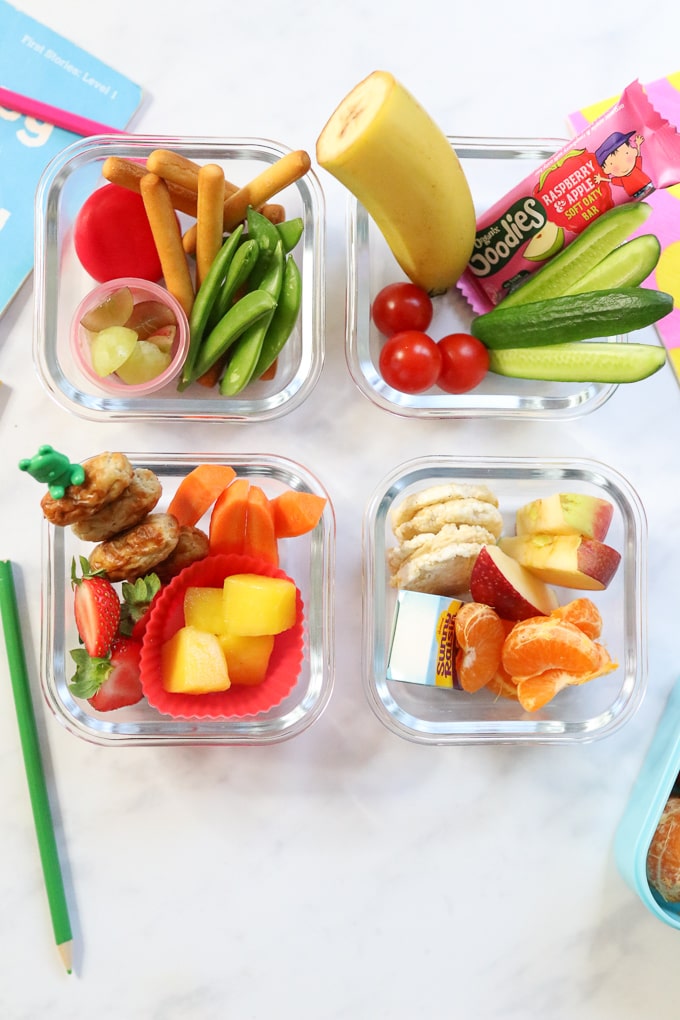
Snacks often sit quietly in the background of family life, yet they carry a surprising amount of responsibility. They bridge the gap between meals, support energy levels, and often help regulate moods — especially for children. For busy mums, snacks can feel both essential and exhausting, particularly when days are full and time feels short.
It’s easy to feel pressure around snacks. They’re expected to be healthy, filling, convenient, affordable, and appealing — all at once. This guide is designed to soften that pressure. It focuses on realistic snack ideas using familiar UK pantry staples, helping families support everyday nutrition without turning snack time into another source of stress.
Why Snacks Matter More Than We Think
Snacks play an important role in children’s daily rhythms. They help stabilise energy, prevent extreme hunger, and support concentration between meals. For younger children especially, long gaps without food can quickly lead to irritability or emotional overwhelm.
For mums, snacks often serve a dual purpose — nourishing children while also grabbing something quick for themselves. Recognising snacks as part of daily care, rather than an afterthought, can help reframe their value.
The Pressure Around ‘Healthy’ Snacking
Many parents feel caught between convenience and nutrition. There’s a constant stream of advice about what children should or shouldn’t eat, which can make even small snack choices feel loaded.
Healthy snacking doesn’t require perfection. It’s not about eliminating treats or crafting elaborate options. Instead, it’s about balance over time and choosing foods that support energy, enjoyment, and routine.
Understanding Hunger Between Meals
Children’s hunger cues can be unpredictable. Growth spurts, activity levels, emotional states, and sleep all influence appetite.
Some days, children seem endlessly hungry; other days, barely interested. Understanding that this fluctuation is normal can help parents respond with flexibility rather than frustration.
Keeping Snack Expectations Realistic
One of the most helpful shifts parents can make is letting go of the idea that every snack must be nutritionally complete. Snacks are not meals — they’re supportive pauses.
Sometimes a snack will be fruit-based, sometimes carb-heavy, sometimes more indulgent. All of these have a place within a balanced week.
A Simple Structure for Everyday Snacks
Many families find snack decisions easier when using a loose structure. Pairing two simple elements — such as carbohydrate and protein, or fruit and dairy — can help snacks feel more satisfying.
This approach also simplifies planning and shopping, reducing the mental load of constant decision-making.
Using UK Pantry Staples to Your Advantage
UK kitchens are often stocked with reliable staples that lend themselves well to snacking. Items like oats, bread, crackers, tinned fruit, nut-free spreads, rice cakes, and cereals offer flexibility and familiarity.
Building snacks around these staples saves money, reduces waste, and avoids the need for specialist products.
Quick Snack Ideas That Require Minimal Prep
Busy mums often need snacks that come together in minutes. Toast with butter, jam, or cheese is a dependable option that works for most children.
Crackers with hummus or cream cheese, yoghurt with a drizzle of honey, or a banana paired with a biscuit can all be assembled quickly without sacrificing satisfaction.
Balancing Sweet and Savoury Snacks
Sweet snacks often get a bad reputation, but they can absolutely fit into a healthy routine. Pairing sweet items with protein or fibre helps support steadier energy levels.
Savoury snacks like cheese cubes, oatcakes, or leftover pasta portions offer variety and may suit children who aren’t drawn to sweet flavours.
Fruit-Based Snacks Without Overthinking
Fruit is a popular snack choice, but repetition can lead to boredom. Simple changes — slicing apples, adding yoghurt, or pairing fruit with toast — can refresh familiar options.
Tinned fruit in juice, frozen berries, and dried fruit (in moderation) are all useful pantry-friendly alternatives when fresh fruit isn’t available.
Vegetables as Snacks (Without Pressure)
Not all children enjoy vegetables as snacks, and that’s okay. Offering them occasionally, without expectation, keeps them part of normal eating patterns.
Carrot sticks, cucumber slices, cherry tomatoes, or sweetcorn paired with dips often feel more approachable than vegetables on their own.
Protein Snacks That Keep Kids Fuller for Longer
Protein helps snacks feel more sustaining, particularly for active children. Fortunately, protein doesn’t need to involve cooking.
Yoghurt, milk, cheese, eggs prepared ahead of time, and seed-based spreads all contribute protein with minimal effort.
Snack Ideas That Work for Busy Afternoons
After school or nursery, children are often hungry and tired. Snacks at this time benefit from being both comforting and filling.
Sandwich halves, toast fingers, porridge pots, or leftover dinner items can work better than traditional “snack foods” in the late afternoon.
Supporting Picky Eaters at Snack Time
Snack time is often less emotionally charged than meals, making it a good opportunity for gentle food exposure. That said, pressure can still backfire.
Including at least one familiar item helps children feel safe. New foods can be added alongside without expectation that they’ll be eaten.
Involving Children in Snack Choices
Giving children a say in snacks — within boundaries — can reduce resistance. Offering two options or letting them help assemble simple snacks builds cooperation.
Older children may enjoy helping plan snack shopping lists or preparing their own after-school snacks with guidance.
Snacks for Mums Too
Mums’ snack needs are often overlooked. Busy days can mean missed meals, low energy, and rushed eating.
Keeping easy snacks on hand — like toast, yoghurt, fruit, or oat bars — helps mums nourish themselves alongside their children, supporting energy and patience.
Managing Sugar Without Guilt
Sugar often becomes a focal point in snack discussions. While moderation matters, overly restrictive approaches can create anxiety around food.
Including sweet snacks intentionally, rather than treating them as forbidden, helps children develop a healthier relationship with food over time.
Planning Snacks Ahead to Reduce Daily Stress
Much like meal planning, snack planning can reduce mental load. Having a rough idea of available options prevents last-minute scrambling.
Pre-portioning snacks, washing fruit, or baking simple items at the weekend can make weekdays feel smoother.
Using UK Supermarkets to Simplify Snacking
UK supermarkets offer a wide range of snack-friendly items, from plain yoghurts to own-brand crackers and oats. These everyday products often provide better value than heavily marketed snack foods.
Keeping a consistent set of staples at home makes snack assembly faster and more predictable.
When Snacks Replace Meals (And That’s Okay Sometimes)
There are days when snacks seem to take over — busy schedules, late dinners, or low appetites can all contribute.
Occasionally relying on multiple snacks instead of a full meal isn’t a failure. What matters is overall nourishment across the day and week.
Letting Go of Comparison and Perfection
Snack choices are often judged — by packaging, by social media, or by internal expectations. Comparison rarely reflects the reality of daily family life.
A snack that works for your child and your routine is enough, regardless of how it looks or what others choose.
Supporting Yourself as a Busy Mum
Providing food day in and day out is significant work. Recognising snack preparation as part of that labour can help reduce self-criticism.
Using convenience foods, repeating options, and prioritising ease are all valid strategies for sustainability.
Finding a Sustainable Snack Rhythm
The most helpful snack routines are the ones families can maintain without resentment or burnout. This often means simplicity, repetition, and flexibility.
Over time, snacks become less of a decision and more of a familiar rhythm woven into the day.
A Kinder Approach to Snacking
Healthy snack ideas for kids and busy mums don’t need to be complicated or perfect. When built around familiar UK pantry staples and realistic expectations, snacks quietly support energy, mood, and connection.
By focusing on nourishment rather than rules, snack time can become a small moment of care in busy days — for children and mums alike.
Leave a Reply